Key takeaways
-
Rising operational costs are driving facility teams to replace manual tracking with strategic, AI-driven asset optimization
-
Predictive maintenance uses real-time sensor data to identify equipment failures before they disrupt the workplace
-
An AI-first data strategy automates audits and connects assets to the floor plan for total portfolio visibility
-
Adopting a unified AI operating system eliminates operational debt by transforming fragmented data into actionable lifecycle intelligence
Managing facility assets in 2026 is no longer just about inventory control—it is about operational intelligence. As the hybrid workplace matures into a dynamic ecosystem, organizations need more than just a list of equipment; they need a unified operating system that connects physical assets to spatial data to optimize performance, extend lifecycles, and control spiraling costs.
Facility managers are facing a pivotal moment. With 84% of leaders citing escalating costs as their top concern, the old method of reactive maintenance is financially unsustainable. Without an integrated, AI-powered approach, organizations face the “operational debt” of fragmented data, resulting in higher downtime, ghost assets, and inefficient capital spending.
This guide explores the transition to AI-driven asset management in 2026. We will unpack the critical shift from reactive to predictive maintenance, analyze the latest industry data, and outline the best practices for turning your physical portfolio into a strategic advantage.
The state of facility management in 2026
The pressure on facility teams has shifted from simple maintenance to strategic cost control. According to the JLL Global State of Facilities Management Report 2025, 84% of leaders now identify escalating operating costs as their top concern.
To combat this, the industry is turning rapidly toward intelligence. JLL reports that 92% of organizations have already piloted AI tools or plan to do so this year—up from just 61% in 2024. The mandate is clear: to survive the talent shortage and budget constraints of 2026, facility asset management must transition from manual spreadsheets to automated, AI-driven workflows.
3 ways AI is reshaping facility asset tracking
For years, asset management was a static process of logging serial numbers and tracking depreciation schedules. In 2026, Artificial Intelligence (AI) has transformed this into a dynamic, predictive discipline. By integrating asset data into an AI Operating System, facilities teams can move from reactive logging to proactive optimization.
Predictive maintenance
The biggest shift is the move from scheduled maintenance to predictive care. AI analyzes real-time data from IoT sensors on HVAC units, AV equipment, and other critical assets to detect anomalies—like vibration or temperature spikes—before a failure occurs. This allows teams to address issues precisely when needed, preventing costly downtime and extending asset lifespans.
Automated lifecycle intelligence
AI takes the guesswork out of capital planning. Instead of relying on generic manufacturer lifespans, the system analyzes actual usage data and repair history to determine an asset’s true condition. It can then recommend the optimal time to repair or replace equipment to maximize ROI and minimize operational debt.
Visual asset context
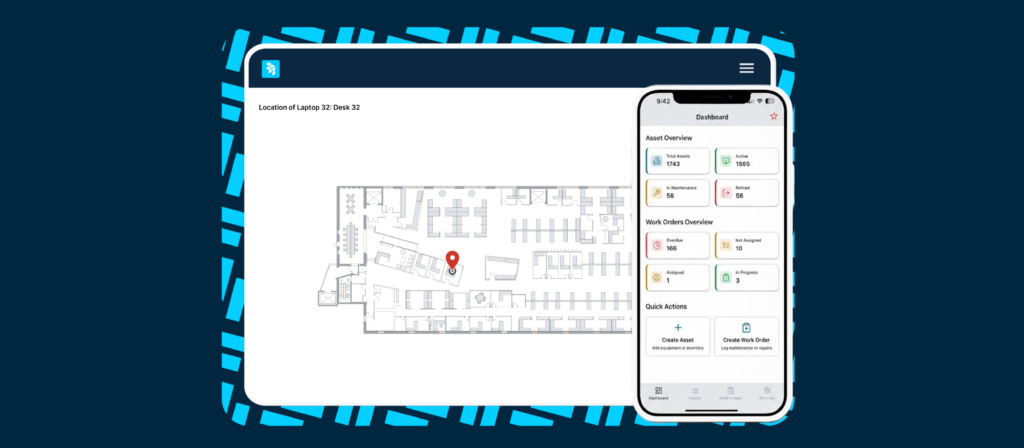
Modern AI connects your assets directly to your floor plan. This “visual intelligence” allows facility managers to see exactly where assets are located in the context of the hybrid workplace. You can instantly visualize which departments are hoarding monitors, where ghost assets are hiding, or which zones have high equipment ticket volumes, allowing for smarter resource allocation.

Read the full JLL 2025 Report or more insights on facility management trends.
Traditional challenges of asset management
Asset management must be more than keeping records in messy spreadsheets. In 2026, there are many new challenges that traditional asset management methods simply can’t alleviate.
Disjointed or outdated asset tracking systems
Many companies still rely on disconnected systems like spreadsheets, manual logs, or outdated software to track and manage facility assets. This fragmented approach results in data inaccuracies, misplaced assets, and regulatory compliance risks. These methods also make scaling operations difficult, as there is no way to automate manual effort
Rising maintenance and lifecycle costs
Without a predictive and preventative maintenance strategy, businesses often experience unexpected breakdowns, costly last-minute repairs, and premature asset replacements. Failing to track work orders, maintenance schedules, and asset performance makes planning challenging, forcing organizations into reactive spending rather than proactive budgeting.
Hybrid and dynamic workplaces
The hybrid work model has created new challenges in asset tracking, as IT equipment, furniture, and shared workspaces are now used unpredictably. Organizations need real-time asset information to prevent equipment loss, ensure fair allocation, and improve workplace efficiency.
A lack of good data
Asset management is no longer just about keeping track of inventory—it’s about having accurate, actionable data to make informed decisions. Many organizations still rely on incomplete, outdated, or siloed asset records. This doesn’t serve you. Without reliable data, businesses struggle to forecast future asset needs, optimize spending, and maintain operational efficiency.
Best practices for managing and tracking facility assets
1. Implement asset management software
Humans make mistakes, so relying solely on manual tracking efforts is a risk you can’t afford. Without a centralized asset management system, assets often go missing, warranties lapse unnoticed, and maintenance schedules fall through the cracks.
A financial firm, for example, might misplace high-value IT assets like company-issued laptops, leading to unnecessary purchases. Modern asset management software provides a single source of truth, ensuring facility and IT teams can efficiently track, maintain, and optimize all workplace assets.
How asset management software helps:
- Eliminates asset loss and mismanagement by maintaining a single, accurate record.
- Reduces operational costs by ensuring warranties and maintenance schedules are properly tracked.
- Improves accountability and compliance by integrating with financial and auditing systems.
OfficeSpace’s Asset Management capabilities will provide an all-in-one platform for tracking, maintaining, and optimizing workplace assets.
2. Use preventative maintenance and work order scheduling
A reactive approach to asset maintenance can cost companies thousands in last-minute repairs. So why wait until something fails to take action? Imagine a corporate office where HVAC systems break down unexpectedly—without proactive maintenance tracking, employees experience discomfort, repairs are costly, and business operations are disrupted.
Regular maintenance is essential. Automated work order scheduling helps organizations predict and prevent breakdowns, ensuring equipment and facilities remain in peak condition.
Preventative maintenance:
- Reduces repair costs by fixing minor issues before they escalate.
- Minimizes downtime by ensuring critical assets remain operational.
- Extends asset lifespan through proactive servicing and upkeep.
OfficeSpace’s Preventative Maintenance features will help you keep assets functioning longer and reduce downtime.
3. Assign and track asset lifecycles
Every asset, from a desk chair to an enterprise server, has a lifecycle—but without tracking, organizations risk holding onto obsolete equipment or prematurely disposing of valuable assets.
Companies with dynamic workspaces often face challenges when employees relocate, leaving assigned assets unaccounted for. Lifecycle tracking ensures that assets are used efficiently, replaced at the right time, and decommissioned securely when needed.
Tracking asset lifecycles:
- Maximizes ROI by tracking asset depreciation and timing replacements appropriately.
- Reduces security risks by ensuring outdated IT equipment is properly decommissioned.
- Enhances resource allocation by redistributing underutilized assets.
4. Adopt an AI-first strategy
Managing assets with simple analytics is no longer enough; in 2026, you need intelligence. An AI-first strategy moves beyond reporting on what has happened to predicting what will happen. To optimize resource planning, FMs must leverage AI to interpret complex data patterns across maintenance, usage, and cost. For instance, a company using an AI operating system can preemptively replace frequently failing equipment before it disrupts operations, or automatically identify “ghost assets” that are on the books but missing from the floor.
The impact of AI:
- Predictive precision: AI analyzes sensor data to predict equipment failure weeks in advance, shifting maintenance from reactive to strategic.
- Automated data hygiene: AI algorithms automatically categorize and tag assets, ensuring your inventory data remains clean without manual intervention.
- Smart allocation: By understanding utilization patterns, AI suggests where to move underused assets to areas of higher demand, maximizing every dollar spent.
OfficeSpace is the AI Operating System for the built world. Powered by Dojo AI, our platform unifies asset data, predictive insights, and workplace management into a single intelligent engine.
The role of asset management software in future-proofing your facility
In 2026, the difference between a cost center and a strategic advantage is data. Facility managers who continue to rely on manual audits and reactive repairs will struggle to control the rising costs of the modern built environment.
To stay ahead, companies must implement scalable, data-driven asset management solutions that:
- Track all assets in a centralized dashboard for full visibility.
- Automate maintenance scheduling and work orders to minimize disruptions.
- Monitor asset lifecycles from acquisition to disposal to optimize resource planning.
- Leverage predictive analytics to cut unnecessary spending and improve forecasting.
By adopting an AI Operating System like OfficeSpace, you gain more than just a list of equipment—you gain the predictive intelligence to extend asset lifecycles, automate compliance, and ensure your physical workplace supports your people without interruption.
OfficeSpace unifies your asset data with your floor plans, empowering you to manage your entire portfolio with precision. Stop guessing where your assets are and start optimizing how they serve your business.

Get exclusive insights on workplace trends
Continue reading