Key takeaways
-
Workplace trends are accelerating, driven by a combination of employee expectations, hybrid work realities, and rapid advances in technology and AI.
-
Flexibility, purpose-built workspace design, and employee experience are no longer differentiators—they are foundational to attracting and retaining talent.
-
AI is becoming a core enabler of modern workplaces, helping organizations move from reactive decisions to proactive, data-driven space planning and resource optimization.
-
The future of work belongs to organizations that balance human-centric design with intelligent systems, using workplace data to adapt, evolve, and plan with confidence.
Workplace trends are no longer evolving gradually — they’re accelerating.
Shifts in how, where, and why people work are being driven not just by employee expectations, but by rapid advances in technology, data, and AI.
As organizations plan for 2026 and beyond, the most successful workplace strategies will balance flexibility, experience, and intelligence. From hybrid work models to AI-driven decision-making, today’s workplace trends are shaping how companies attract talent, use space, and operate more efficiently.
Below, we outline the key workplace trends defining the future of work — and what they mean for organizations preparing for what’s next.
9 critical workplace trends that are here to stay
Workplace trends offer insight into how organizations are adapting to changing employee expectations, technology, and business demands. While not every trend will apply to every organization, understanding these shifts helps leaders make more informed decisions about the future of their workplace.
Specifically, many companies are now exploring and adopting the following 9 workplace trends:
- True flexibility
- Tailor-made workspace design
- AI in the workplace
- Technology that actually improves the office
- Data-driven workspace planning
- Smarter security
- More diversity and inclusion
- A new role for facility managers (FMs)
- Enhanced employee experience
Of course, knowledge is power. Understanding these trends is the first step to implementing them properly. Here’s what you need to know.
1. Workers want true flexibility
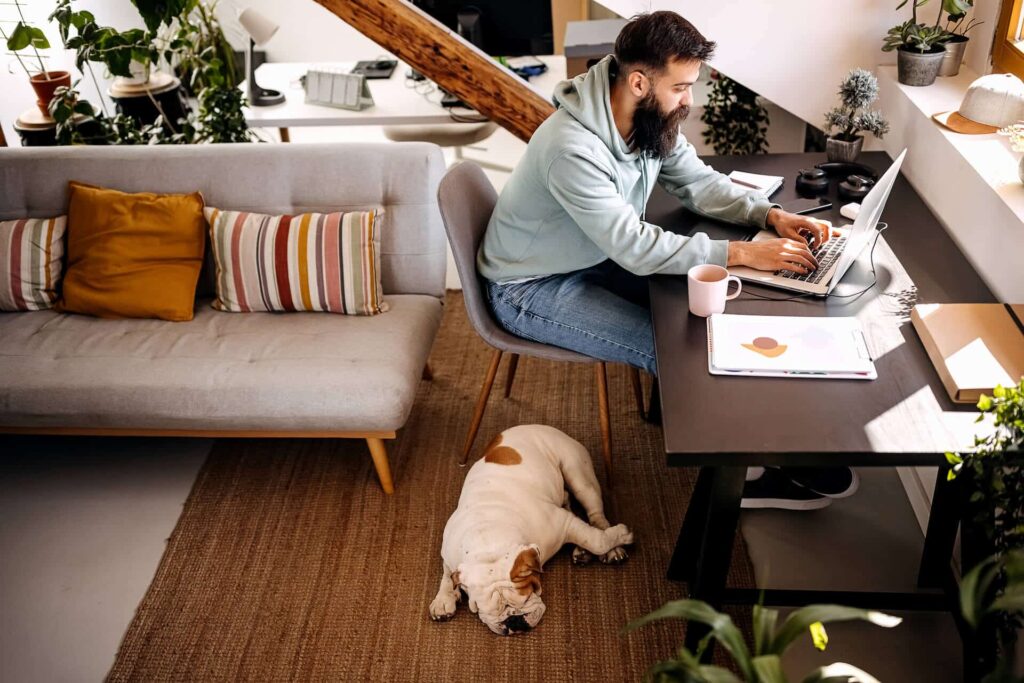
While ‘hybrid work’ is the buzzword du jour (and certainly becoming a ‘new normal’ and a workplace trend for many workplaces), what employees are often seeking when talking about ‘hybrid’ is actually more flexibility.
We know from research that up to 50% of workers say they’d quit (or not accept a job offer) from a company with too few flexible work options. We also know that work flexibility is important for well-being.
Given these numbers, it’s not surprising that companies are turning to dynamic work environments. This can include things like agile working, office neighborhoods, and ABW: activity-based working. All of which give workers more decision-making power over their work.
Along with these new ways of working, companies are also experimenting with different hybrid work models (i.e.: traditionalist, architect, nomad, and pioneer). These determine which best suits both their employees and their own unique business goals.
Flexibility around how, where, and when people work is no longer a differentiator, it’s now table stakes.
Brian Kropp and Emily Rose McRae, Harvard Business Review
When any of these strategies are implemented correctly, they can increase productivity, prevent burnout, and help everyone actually realize the benefits of working remotely. Given the employee demand, they’re also a useful tool in both keeping and attracting top talent. Embracing this new future of remote working also opens the talent pool to job seekers on a national or even international scale.
2. There’s no longer a ‘one-size-fits-all’ in workspace design
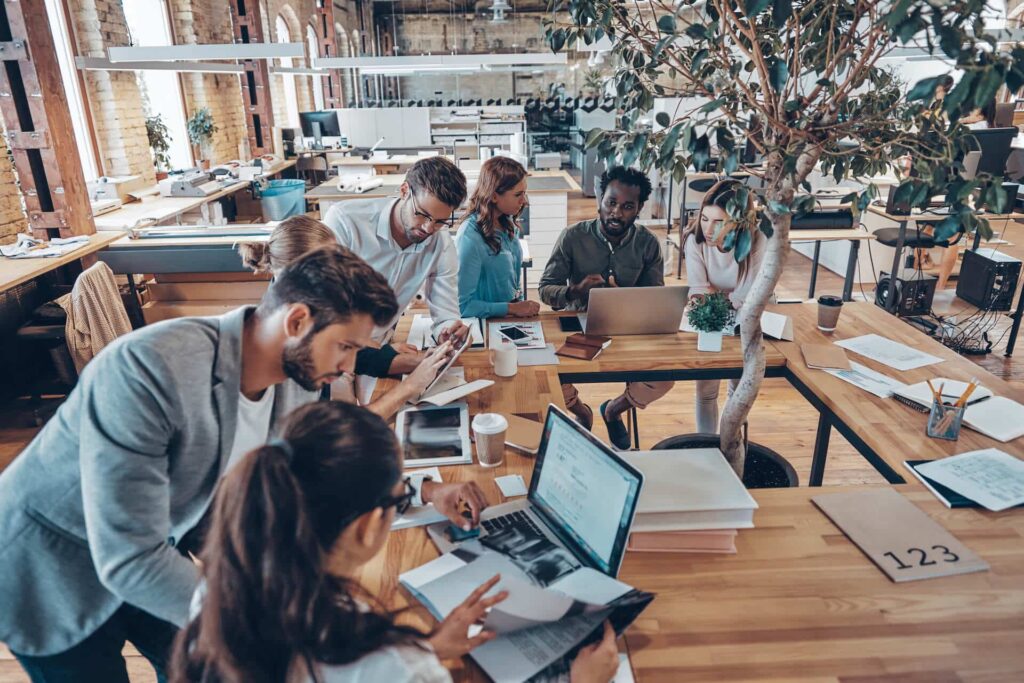
The days of endless cubicles are out. But so too are large, open offices that don’t serve the people who use them. The biggest trend in workspace design today is creating offices that are designed around how they’ll actually be used. Companies must focus on what employees actually need to be most productive.
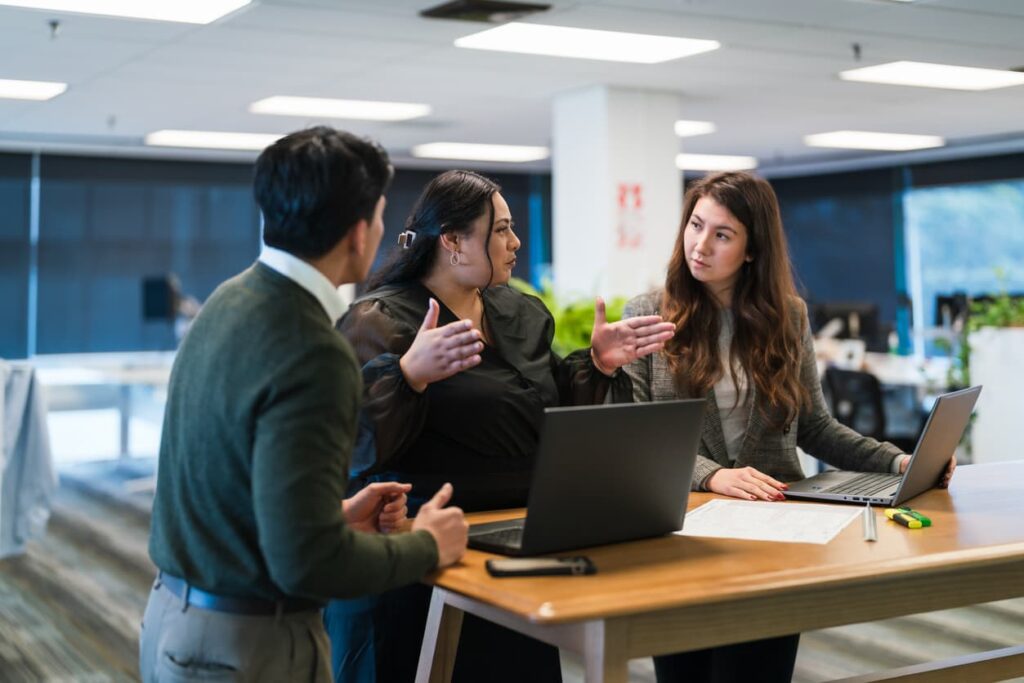
In other words, sometimes employees need private spaces. Sometimes they need ‘official’ collaborative spaces, and sometimes they need places for impromptu brainstorming or to take breaks when needed. That’s why it’s up to FMs and other leaders to figure out how best to design an office space that is fit for purpose and in line with whatever flexible workplace strategy they’re using.
Ideally, companies will solicit (and actually consider) employee feedback in their design plans. Of course, along with actual data on how the office is used, which we’ll explore further below.
Ultimately, the new goal in workspace design is to create a physical space that actually works, first and foremost, while also reflecting and enhancing company culture.
Organizations are clearly undergoing a change in their relationship with the idea of a centralized workplace.
Bernard Marr, Forbes
Note, too, that even in the most traditional offices, a good deal of work takes place online. Therefore, companies now also need to follow the workplace trend of creating a digital workspace that complements and supports the physical office.
3. AI in the workplace
Let’s acknowledge the obvious: you’ve heard a lot about AI already. It’s everywhere, and not every mention is meaningful. But when it comes to the future of the workplace, AI isn’t a buzzword—it’s becoming foundational to how organizations plan, operate, and adapt.
In practical terms, AI is helping teams make better decisions about space planning, resource allocation, and employee experience. Instead of relying on static reports or gut instinct, organizations can use AI to analyze real-time data, predict future needs, and model scenarios before making costly workplace changes.
From forecasting space utilization to optimizing office layouts, AI-driven insights allow workplace leaders to move from reactive management to proactive, strategic planning. As AI becomes embedded in everyday workplace systems, it will increasingly shape how physical and digital environments are designed, managed, and evolved over time.
4. The right technology makes the workplace easier to navigate
For all its benefits, when flexible working isn’t managed properly, it can introduce just as many problems as it solves. If you’re using a flexible seating strategy like hot desking or free addressing, for example, how will workers know where to sit? The answer to that question is often what makes or breaks any new strategy.
By now, most companies have figured out the workplace technology they need to enhance their daily operations. What many are still lacking, however, is technology that helps workers navigate their physical environment. This is critical, since wandering around trying to find a desk each morning is as demoralizing as it is unproductive.
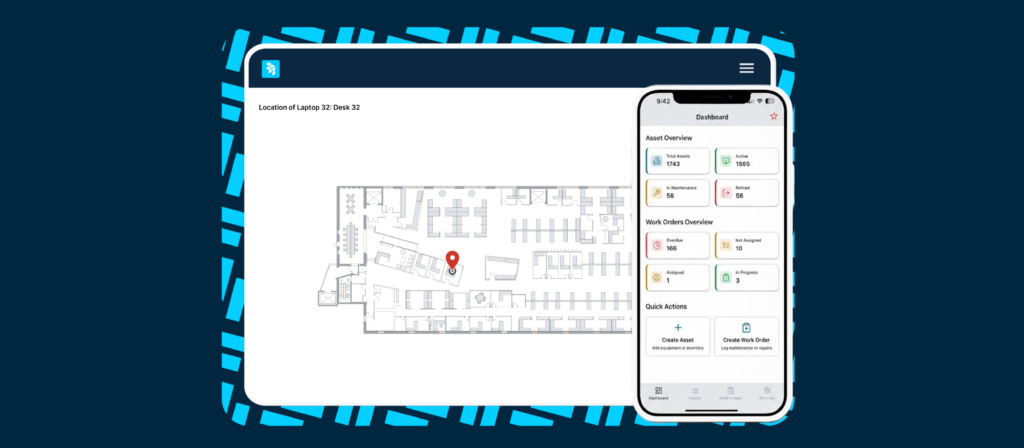
Thankfully, cloud-based workplace management software makes both desk booking and room booking simple and effective. Especially when coupled with IoT sensors and a Visual Directory, as well as when it’s accessible via mobile app, it can give employees much more visibility into their workplace. In other words, they’ll be able to ‘see’ where all the people and assets they need are, even when they’re not sharing a physical space.
Similarly, many companies are now looking to digital wayfinding solutions that can help both workers and visitors get where they’re going more easily.
5. Workplace planning should be data-driven
One of the benefits of the trend towards workplace management software is how it can help inform better workplace planning.
Companies today no longer have to guess at what might suit their workforce. Instead, they can use data pulled from their workplace software to get an accurate, up-to-date picture of how the office is actually being used. Armed with this data, they can make more effective decisions around the office. For example, headcount planning and better space optimization.
Since this data can be used to improve space utilization in particular, it can also lead to a smaller real estate portfolio. This benefits any company looking to reduce their budget, their carbon footprint, or both.
Increasingly, organizations are using AI-powered analytics to connect workplace data with real-world behavior, helping leaders understand how space is used and how it should evolve over time.
6. More complex workplaces demand smarter security
As workplaces become more complex, so does workplace security. Remote employees in particular introduce new concerns surrounding cybersecurity, and information and asset security.
Meanwhile, security in building automation systems is becoming crucial, as more bad actors are targeting even small- and medium-sized businesses. And despite their many benefits, smart buildings: IoT can also introduce new vulnerabilities to hackers as well.
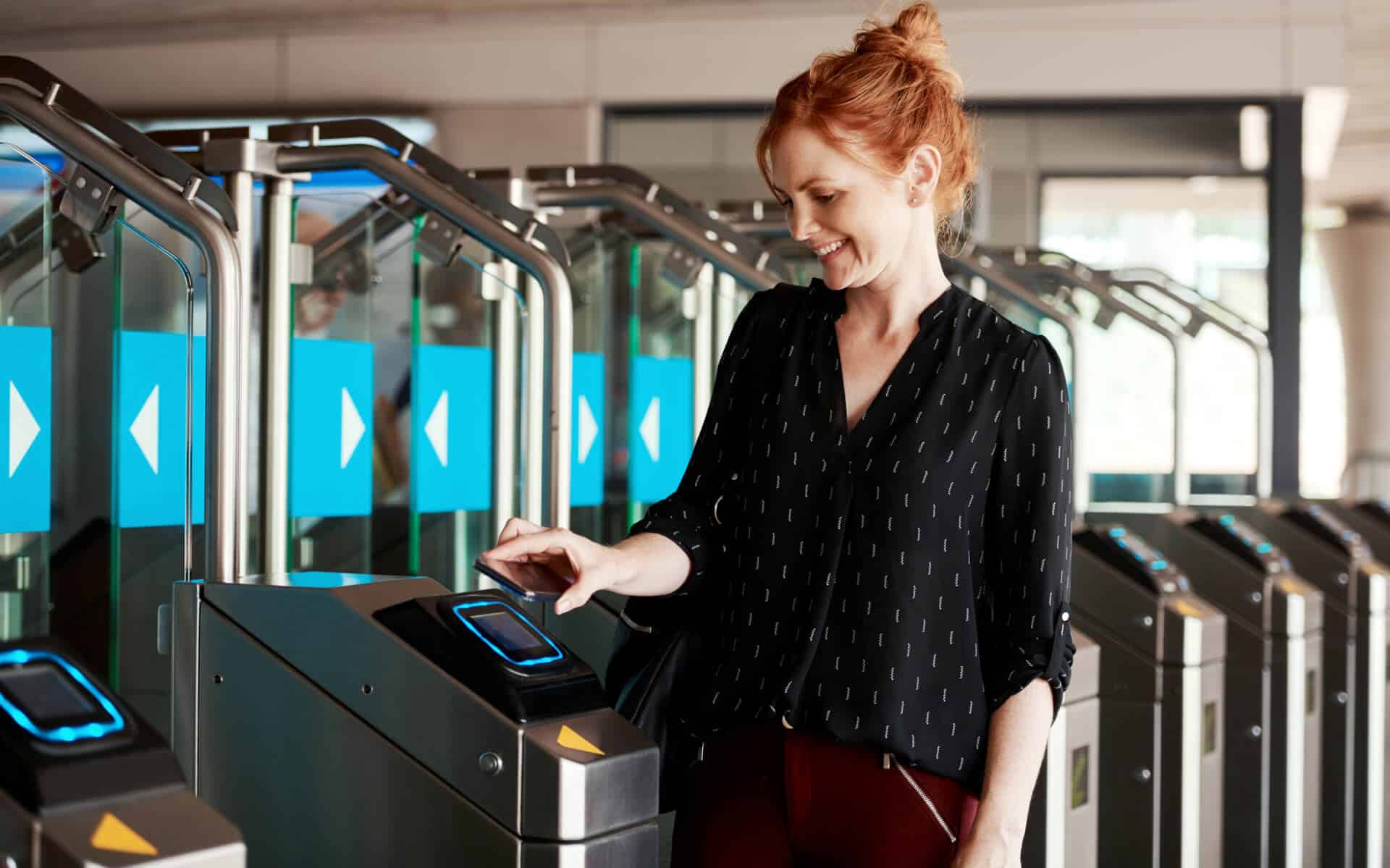
The result is a trend toward smarter security that uses new technology in the workplace to its advantage. For example, many companies are now using a badge system to gain more nuanced control over access to buildings, rooms, desks, or even sensitive areas. Basically, every employee and visitor will have a badge that will automatically grant or deny them access to where they should or shouldn’t be.
Not only can a badge system help improve security. It can also provide real-time data about how people are interacting with their space. Which in turn, can help lead to better decision making down the road.
7. We need more diversity and inclusion
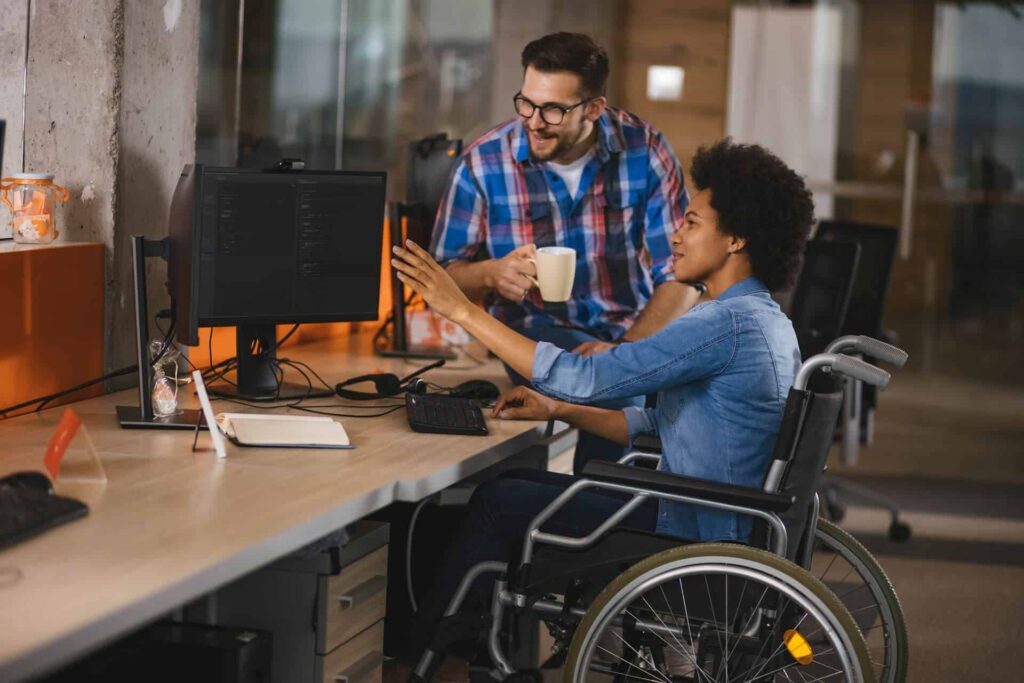
Similarly, many companies are now waking up to the importance of diversity, inclusion, and fairness. In fact, an analysis of S&P earnings calls found CEOs talking about issues of equity, fairness, and inclusion an incredible 658% more in 2022 than in 2018. This is more than just a workplace trend. It’s essential!
According to a CNBC/SurveyMonkey Workforce Survey, 80% of workers say they want their company to value diversity, equity, and inclusion. Younger generations in the workplace in particular want to work for companies that reflect their principles.
This means creating a more diverse workforce, of course. But also creating an inclusive company culture that creates more equity across all groups.
For example, even though we now know that hybrid and remote workers are just as productive as their in-office counterparts, managers tend to appreciate—and promote—in-office workers more. Not only is this unfair, it’s also particularly troubling since women with young children want to work from home 50% more than men with young children. Companies need to address this and similar issues if they want to create better workplaces for everyone.
While the social implications for valuing diversity and inclusion resonate with workers, the business case is equally strong.
Susan Caminiti, CNBC
Going forward, we can therefore expect to see more efforts to address wage gaps and create true fairness in the workplace. This is critical, since, according to Gartner research, employees in high fairness environments perform 26% better and are 27% less likely to quit.
8. FMs are stepping into important leadership roles in the workplace
Along with the growing complexity of the workplace, the roles and responsibilities of a facility manager are also now growing in complexity, too. FMs have always been important in the workplace, but thanks to the challenges presented by hybrid work and distributed workforces, they’re quickly becoming indispensable.
Specifically, beyond simply managing daily operations for their companies, more and more FMs now find themselves in change management roles, helping to maximize complicated systems and strategies. They’re also often responsible for improving space management, as well as handling move management, request management, and asset tracking
And of course, that’s all while working hand-in-hand with IT to keep networks secure. And working hand-in-hand with HR to help onboard new employees and create the right messaging around new policies.
In short, FMs are becoming important leaders in the workplace, helping everyone navigate all these other workplace trends we’re experiencing.
9. Employee experience matters more than ever
Last but definitely not least, all of these modern workplace trends point to one underlying theme: improving employee experience.
The reality is that even with the smartest building and the most advanced AI, people are still at the heart of business success. Prioritizing employee experience, engagement, and well being is therefore the best way forward for companies that want to stay competitive.
There are many ways to enhance employee experience. It can start with robust employee benefits, like health benefits and retirement planning and assistance. Company culture matters, as does work-life balance. And like we’ve already covered, we know that higher levels of autonomy and flexibility also lead to happier employees.
Going forward, we can expect to see companies embracing all these trends (and developing new ones), all in an effort to keep their employees happy, healthy, and excited to start work each morning.

Workplace trends: What is the future of work?
The future of work will be increasingly employee-centric, as workplaces adopt a variety of new and exciting trends to attract and retain great people. We can expect to see ‘fit for purpose’ workplaces that are designed with employee experience and security at the forefront.
Looking ahead, the organizations best positioned for the future of work will be those that combine flexibility with intelligence. As workplace strategies become more data-driven, AI-powered tools like OfficeSpace’s are helping teams turn workplace insights into action — supporting better space planning, stronger employee experiences, and more confident decision-making.
OfficeSpace makes it easy to embrace all the latest workplace trends. Reach out for a free demo.
Photos: PeopleImages, Pekic, g-stockstudio, Vasil Dimitrov, EmirMemedovski, Geber86

Get exclusive insights on workplace trends
Continue reading